Hot water is a key part of our homes. Let us explain
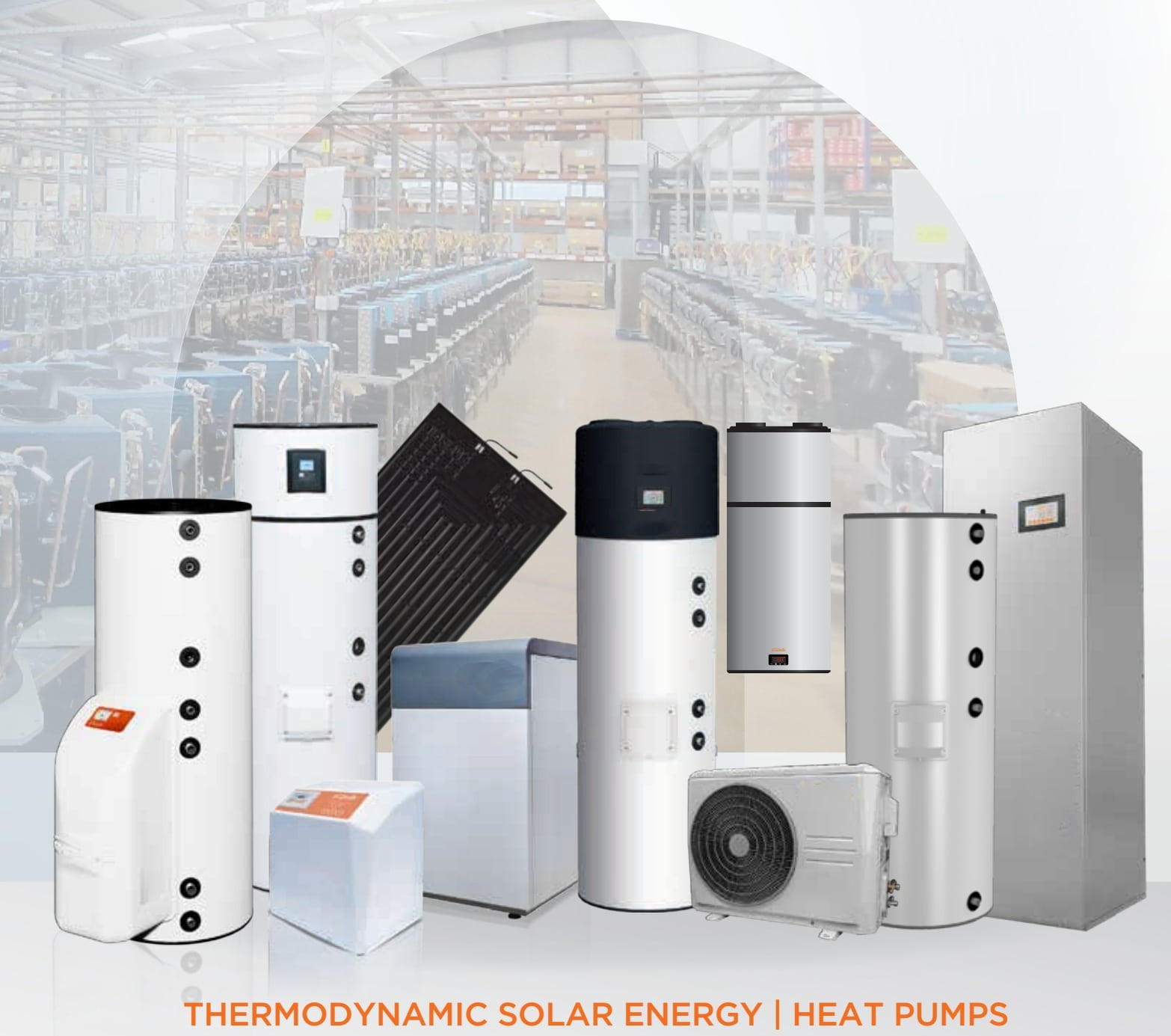
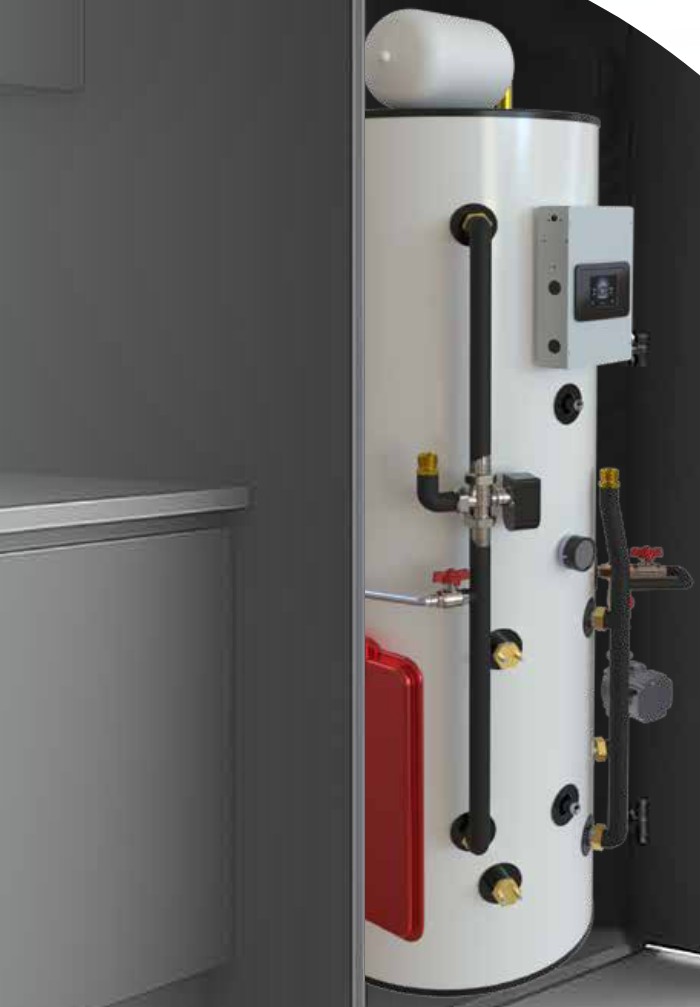
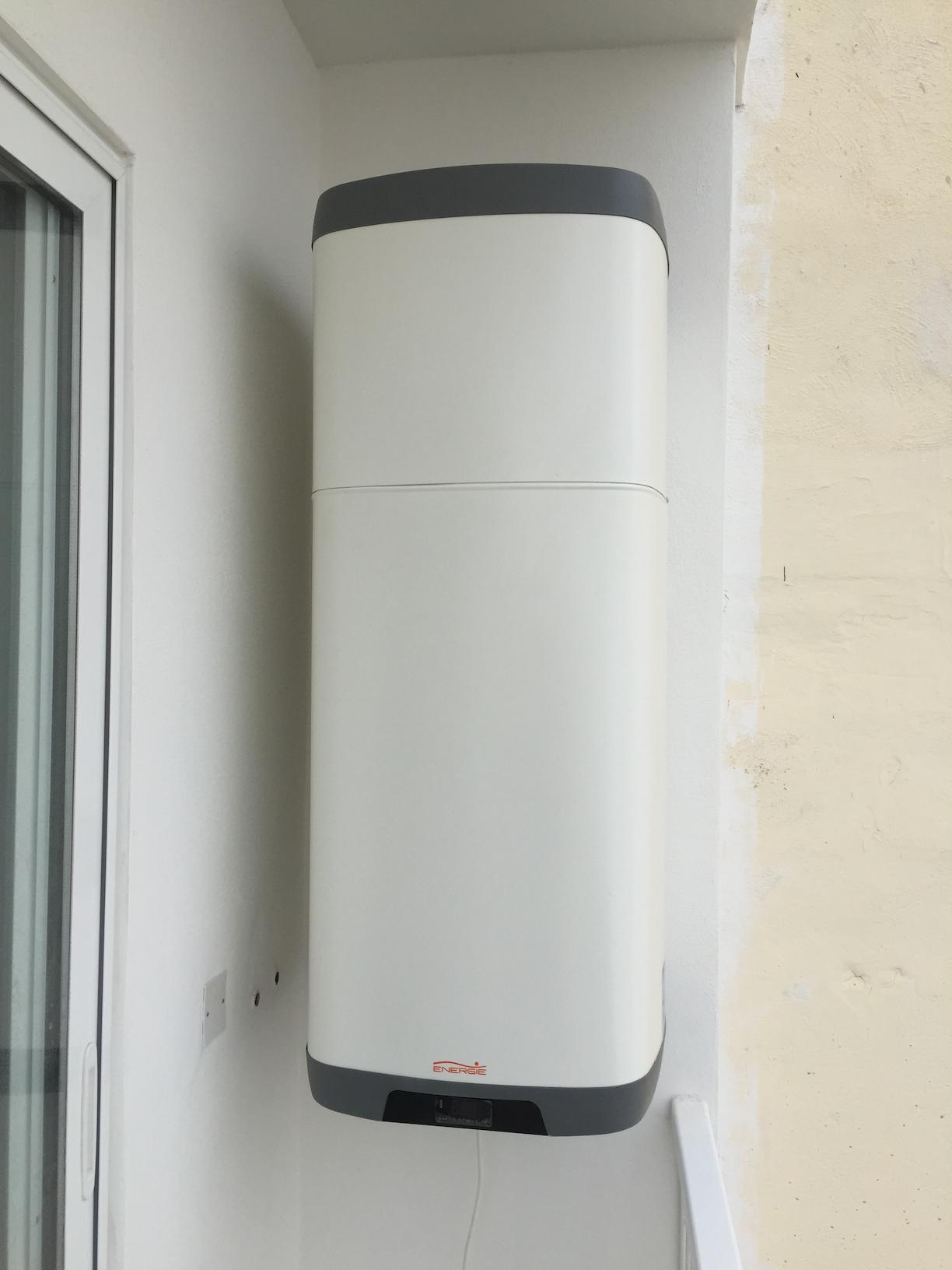
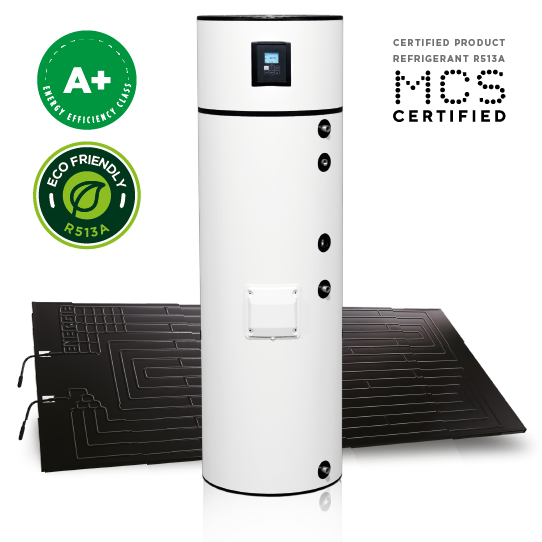
The ECOTOP, SOLAR BOX, AQUAPURA, ECO XL, THERMOBOX DUO, AQUAPURA INVERTER ranges thermodynamic hot water heaters are fully MCS certified and have a various number of benefits:
1. The biggest advantage is its use of free and inexhaustible energy, just fresh air!
2. Fully MCS certified, totally Eco-friendly.
3. Three times less energy consumption needed compared with an all electric cylinder, immersion heaters.
4. Even WITH using electrical assistance on cold days, it still provides energy savings of up to 75% on the old-fashioned electric hot water cylinder.
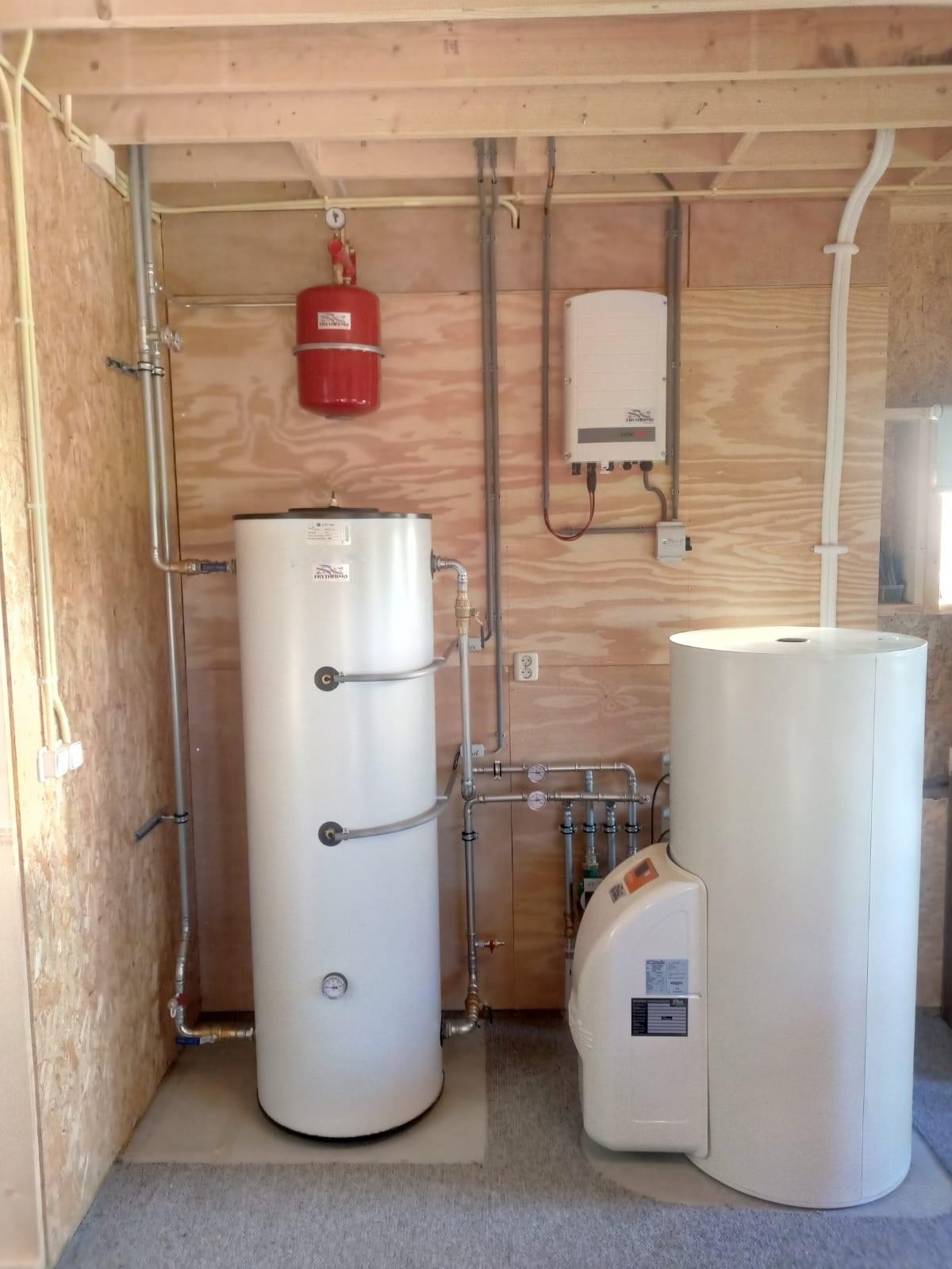
5. You can also connect the water heater to photovoltaic (PV solar) panels to further reduce your carbon footprint at work or at home, which is vital in Scotland, to comply with Government targets.
Contact us for the Key Requirements for the £7,500 Grant (ECO4 Installer Accreditation) or the Boiler Upgrade Scheme (BUS).
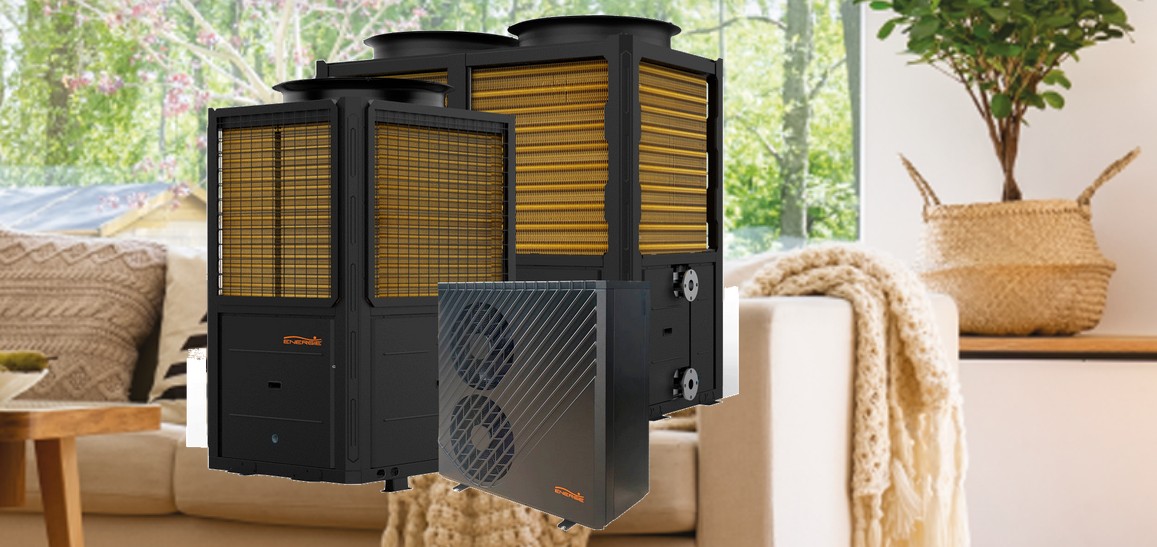
Designed for efficiency, precision control, and scalable performance, our products integrate seamlessly into all building environments. Whatever the project, we have the solution.
Using completely fee energy from outdoor air, our thermodynamic water heating system will deliver significant energy savings compared to a conventional electric cylinder heater, which is just an over-large kettle, constantly topping up while it is switched on. Engineered for efficiency, intelligence, and long‑term versatility, our Hot Water solutions work across all building types.
Up to 70% less consumption. That’s the energy a iHot Solar Thermodynamic water heater consumes compared to an old inefficient immersion heater model. In fact, although this type of water heater requires electrical assistance, it still allows for energy savings of up to 70%. It is possible to connect the water heater to existing photovoltaic solar panels to make it more environmentally friendly!
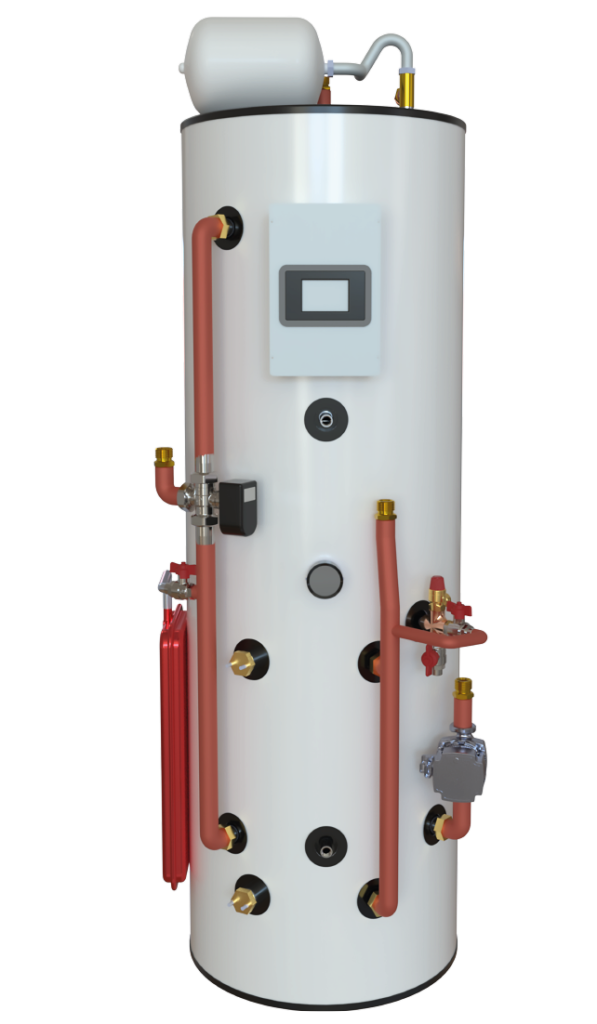
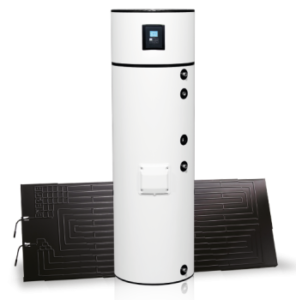
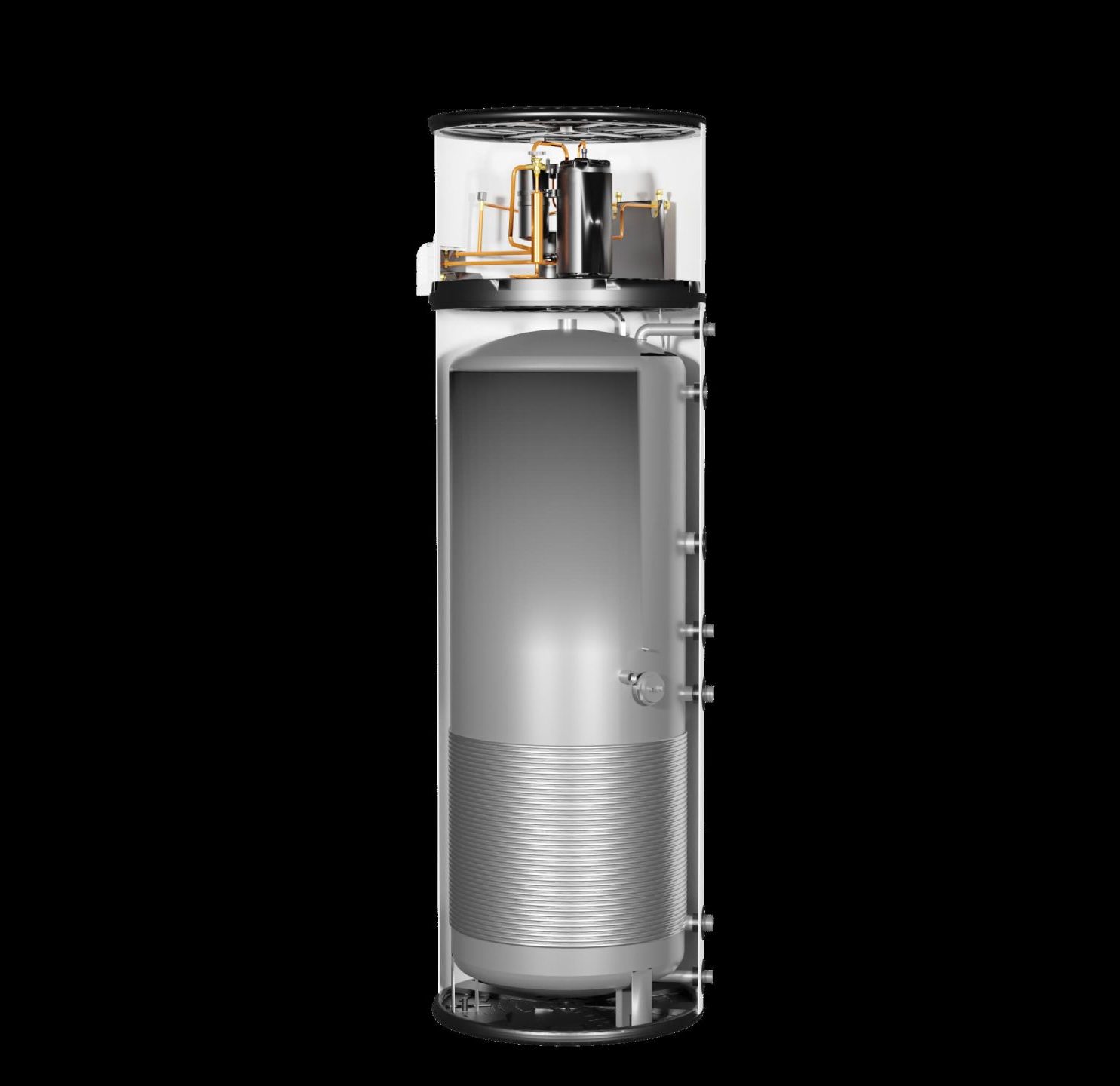
Using a patented thermodynamic fluid, The iHOT uses the air outside to extract heat, which converts electricity into heat, using significantly less energy consumption. During times when the ambient air temperature is very low, there is an Electric backup process, but the electrical contribution is much lower than using your existing water heating cylinder.
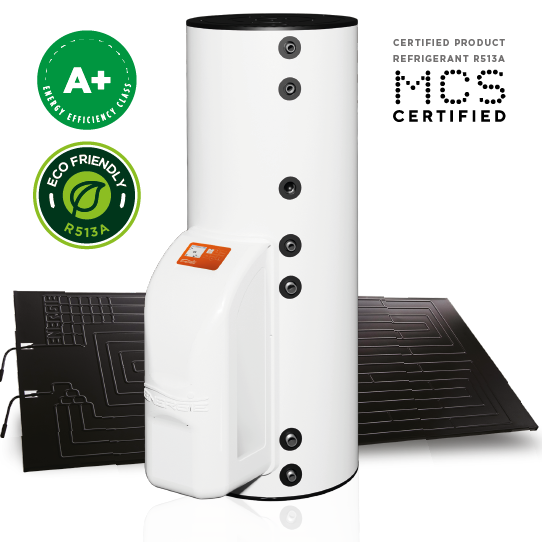
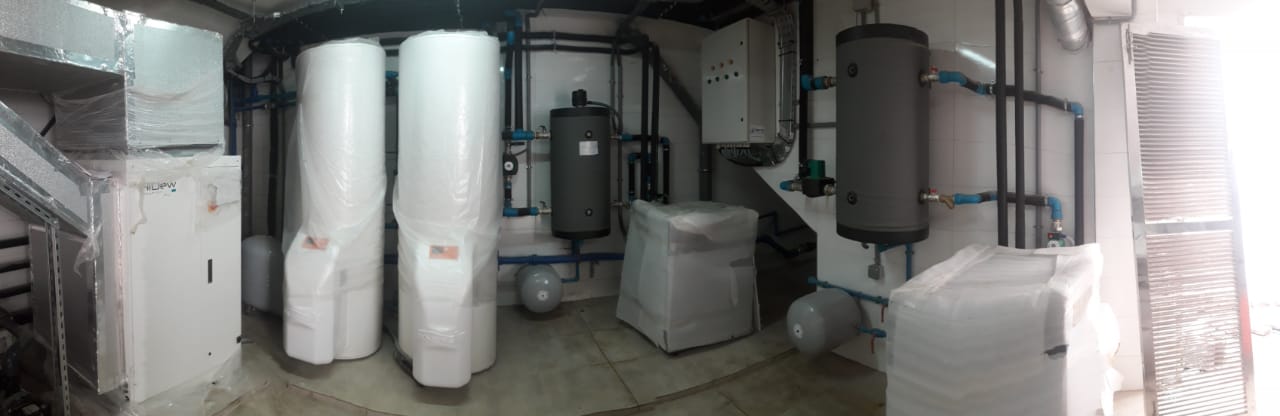
Our Solar Assisted Heat Pump Water Heaters carry full MCS certification and are backed by trusted UK support, a nationwide installer network, and four decades of proven performance. No two hot water projects are the same. With dedicated design tools, a multidisciplinary team, and specialist MCS technical support, we help you integrate our systems smoothly from concept to completion
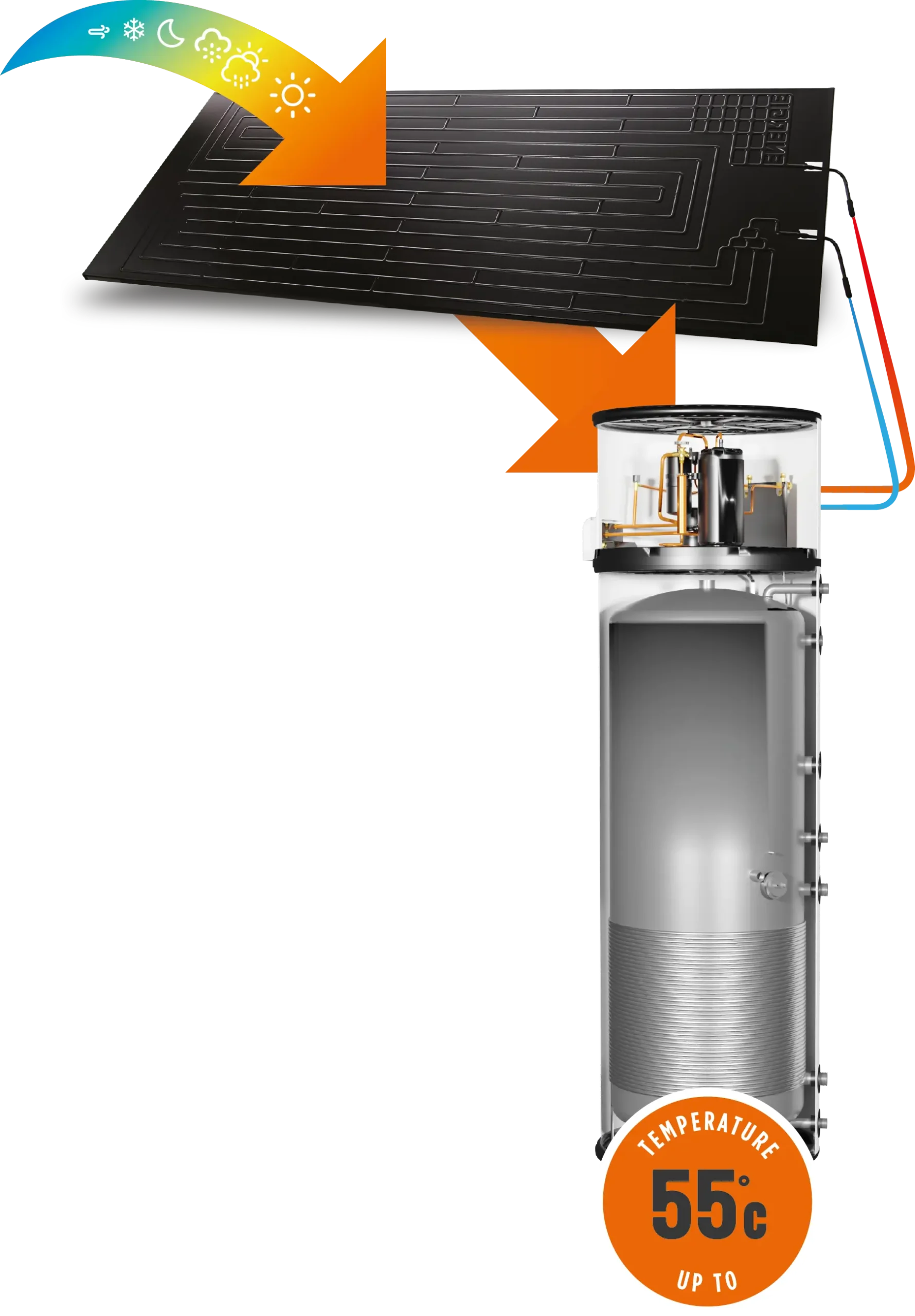
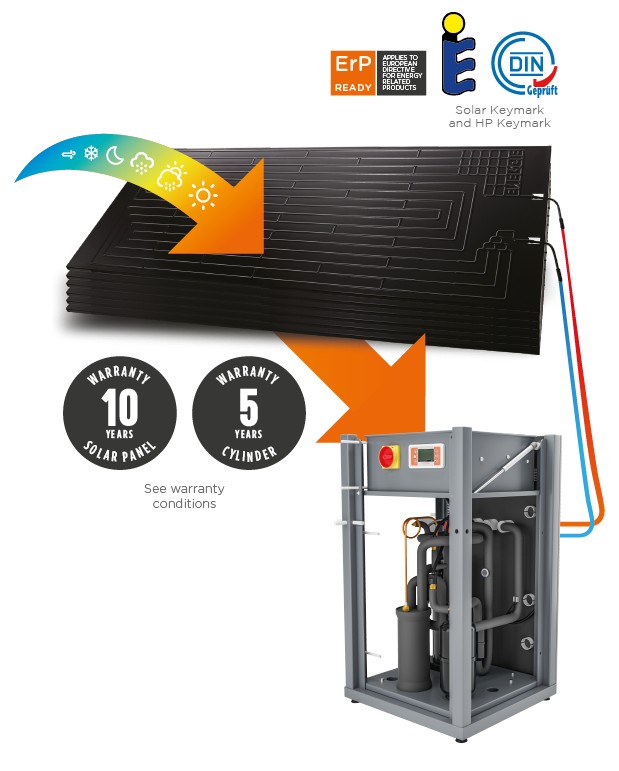
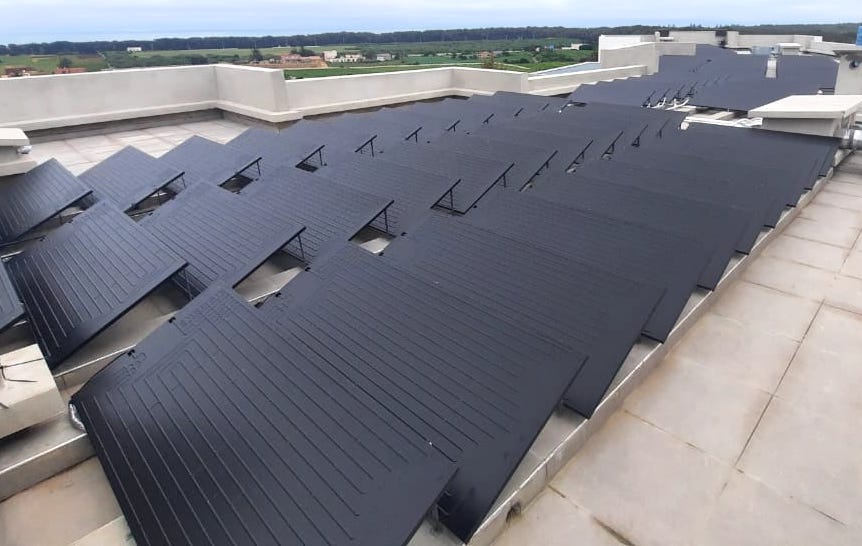
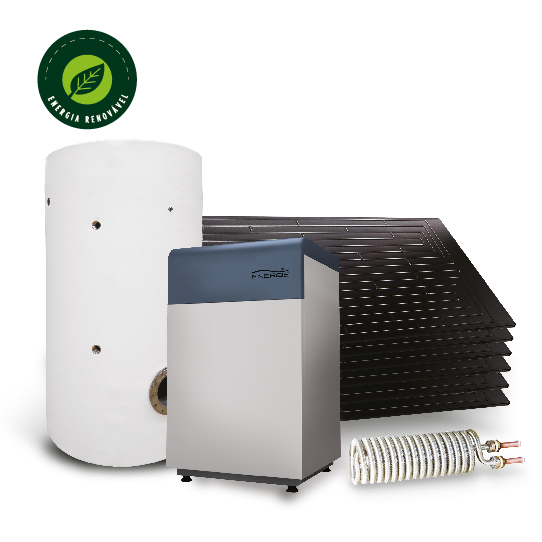
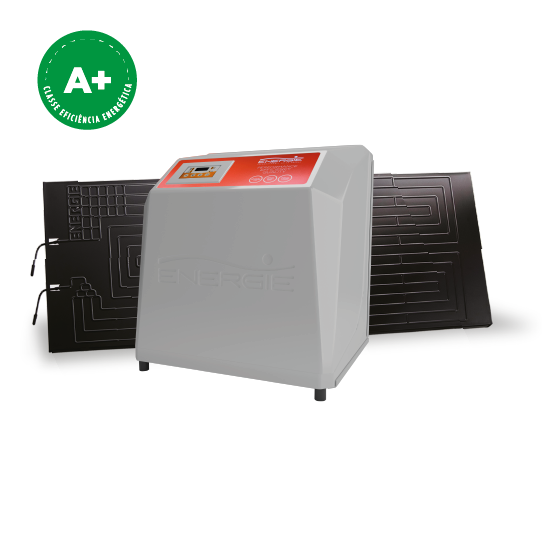
A Solar Assisted Heat Pump (SAHP) is an innovative hot water system that combines solar energy with air‑source heat pump technology to deliver highly efficient, low‑carbon hot water all year round. Instead of relying solely on sunlight like traditional solar thermal, a SAHP captures renewable heat from both daylight and the ambient air, making it effective even on cloudy days.
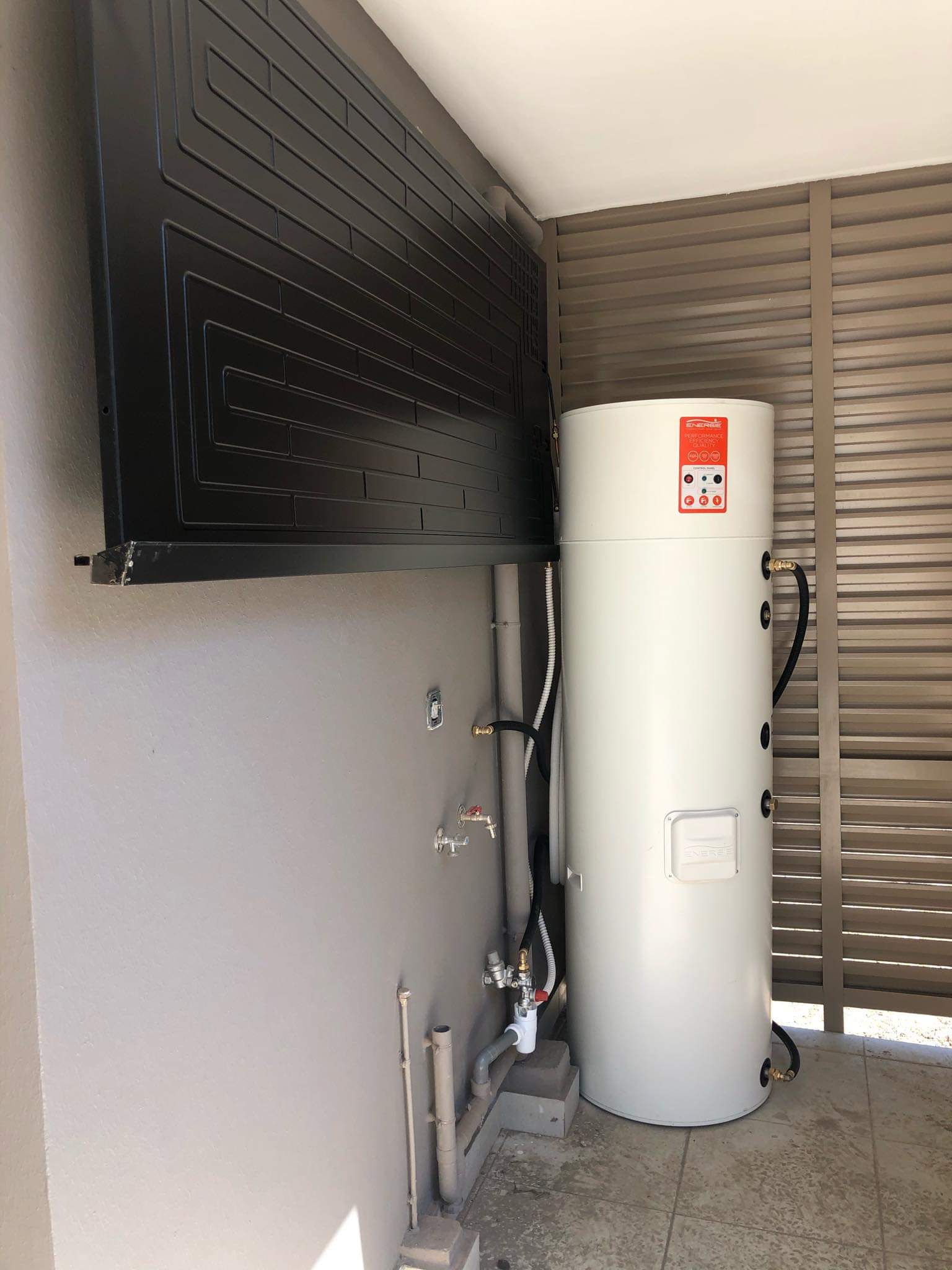
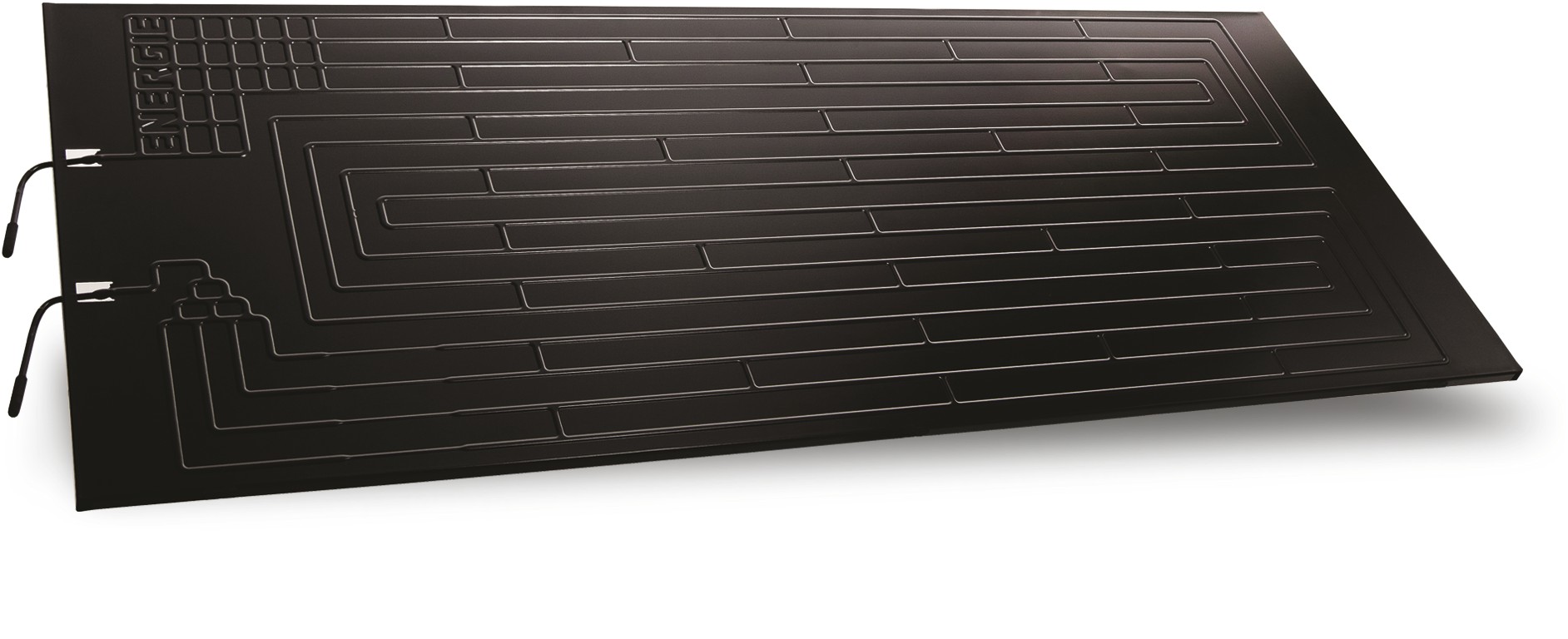
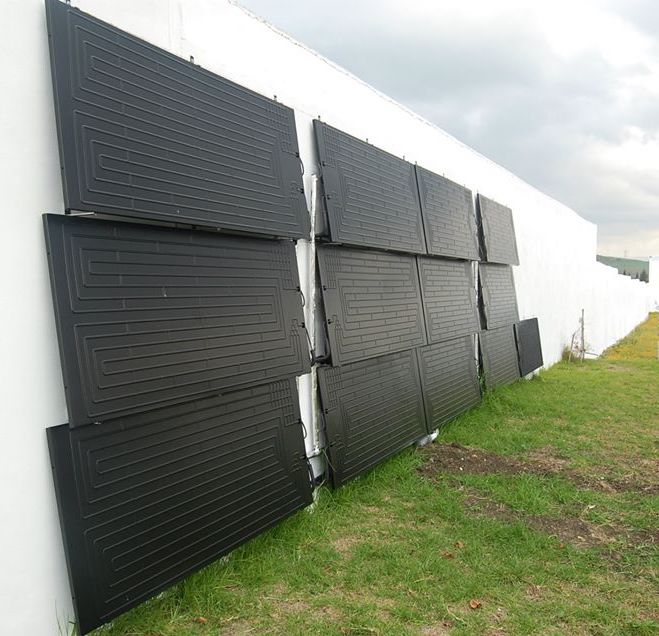
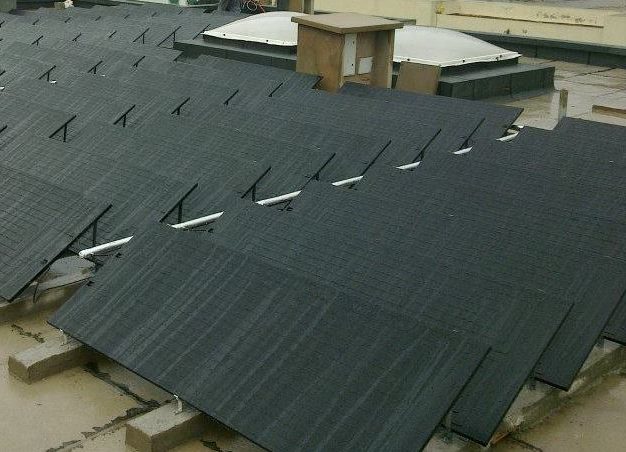
At the heart of the system is a large, flat solar evaporator panel. This panel contains a refrigerant fluid that absorbs heat from the environment, including direct sunlight, diffused light, and the surrounding air. The warmed fluid then passes through a heat exchanger inside the heat pump, where the temperature is boosted and transferred into your hot water cylinder.
The result is a smart, self‑contained iHOT system that:
– Works in all weather conditions
– Reduces reliance on Gas or Oil
– Cuts running costs and carbon emissions
– Provides reliable hot water day and night
By combining two renewable technologies into one compact solution, IOT SAHPs offer one of the most efficient and versatile ways to produce domestic hot water in the UK.
Solar Assisted Heat Pump (SAHP). i-Hot Solar Assisted Heat Pump is an advanced water‑heating solution that boosts efficiency by pairing proven heat pump technology with free, renewable energy from the sun and surrounding air. This smart hybrid approach delivers reliable hot water while significantly reducing energy consumption and environmental impact.